The Tale of the Bachang: A Malaysian’s Quest in Thailand
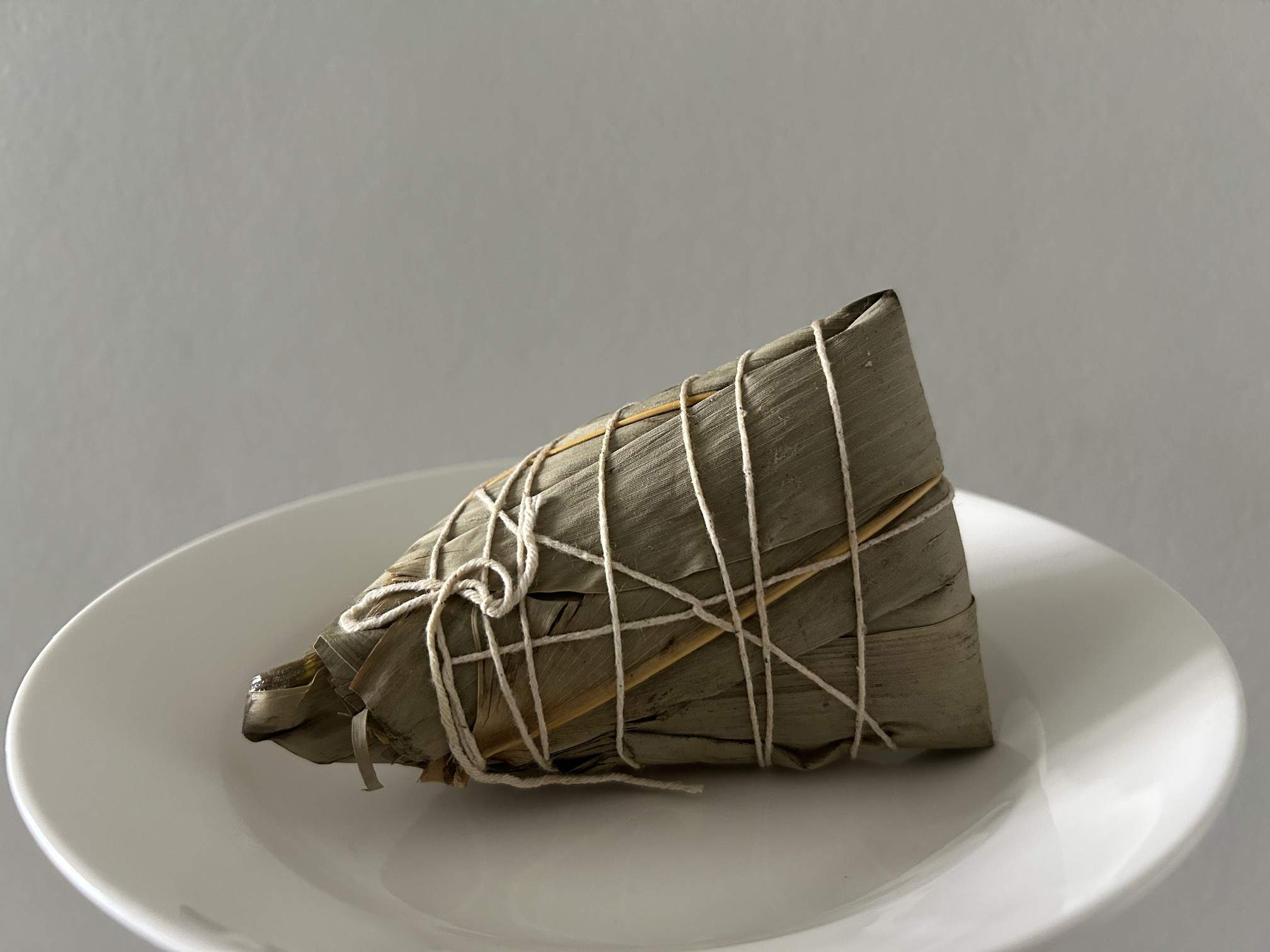
There are certain foods I always find myself lugging back to Bangkok, simply because the Thai versions never quite match the recipes from home. One day, Hubby came home with a pork zongzi (or Bachang) from Peace Oriental Teahouse.
He noticed these are incredibly popular lately—he sees people walking out with them all the time. However, when I saw the 285 THB price tag on the receipt, I bit my tongue and silently prayed it would be the best Bachang of my life!


Upon unwrapping the bamboo leaf, I was surprised to find a pale, white rice. It wasn’t my usual favorite—the Hokkien-style “brown” rice seasoned with dark soy sauce. Peace’s social media describes it as a one-of-a-kind Guangdong-style zongzi.
Keeping an open mind, I took a bite. It was actually very good—definitely a step above the typical Thai-style version (which tends to lean more toward the Teochew style).


While it was a nice treat, my heart still belongs to the classics. I recently brought a stash back from Kafe Ping Hooi in Penang to satisfy my cravings. But for a local fix here in Bangkok? The Bachang from Demi Restaurant (曼谷茶米台灣餐廳) at Thonglor is probably the closest I’ve found to that authentic home taste.
💡 A Quick “Foodie Note”:


If you’re wondering why the price or style varies so much, here is a quick breakdown:
- Hokkien Style (The “Brown” one): Rice is pre-fried with dark soy sauce and five-spice powder. This is the “Malaysian/Singaporean” standard.
- Guangdong Style (The “White” one): Often uses unseasoned glutinous rice, allowing the flavors of the mung beans, salted egg, and marinated pork to soak into the rice during steaming.
- Thai Style (Bachang): Usually a Teochew influence. Often sweeter and sometimes includes Ginkgo nuts (Pae Guay) or taro paste.